

 Scroll Down
Family, domestic and sexual violence, including child sexual abuse are serious public health issues that can cause significant physical, emotional, psychological and financial harm. It is estimated that a full-time General Practitioner (GP) is likely to see up to 5 women per week who have experienced some form of intimate partner abuse in the last 12 months. People who have experienced child sexual abuse are 2.4 times more likely to have 6 or more visits to a GP in the last 12 months.
Primary health care professionals such as GPs are often the first point of health professional contact for victim-survivors of FDSV due to the physical injuries and/or mental health problems resulting from abuse and violence. Health professionals have an important role in prevention, early identification and responding to FDSV disclosures appropriately.
As part of the Australian Government’s commitment to the National Plan to End Violence against Women and Children 2022-32, Capital Health Network (CHN) has established the FDSV Training and Link Worker Support Pilot Program in the ACT to support primary health care professionals better recognise, respond to and refer people at the risk of, or experiencing, family, domestic and sexual violence, including child sexual abuse. This initiative forms part of Supporting Primary Care Sector Response to FDSV Pilot funded through the Australian Government’s PHN Program.
The Pilot builds upon existing domestic and family violence pilots, which have been underway since 2020 in 6 PHNs across Australia. CHN’s FDSV Pilot is one of the 5 new PHN FDSV pilot sites. An independent evaluator (Sax Institute) has been commissioned by the Department of Health, Disability and Ageing to evaluate the impact of the FDSV pilots across all the participating PHN sites.
CHN has funded and partnered with specialist local FDSV organisations, Domestic Violence Crisis Service (DVCS) and Canberra Rape Crisis Centre (CRCC), to co-deliver the FDSV Program in the ACT.
CHN’s Family Safety Team is expertly advised by a GP sharing lived and clinical experience, and providing advice and input into the development and delivery of Pilot activities.
Program benefits
- Access to incentivised trainings, resources and supports for ‘whole-of-practice'.
- In-depth knowledge, understanding and awareness of the role of health professionals in addressing FDSV.
- Enhanced confidence, skills, and readiness to recognise and respond appropriately to FDSV.
- Upskilled non-clinical and administrative staff.
- Enhanced safety for victim-survivors by building a safe climate for disclosure within the practice.
- Mastery of respectful inquiry strategies and mechanisms to support victim-survivors.
- Improved awareness of relevant mandatory responses under ACT legislation in relation to FDSV.
- Debriefing support from Link Workers.
- Improved understanding of the FDSV referral pathways and role of FDSV Link Workers.
- Improved partnerships and trust between primary care and the FDSV sector.
Who can get involved?
CHN invites general practices, allied health practices and dental practices in the ACT region, including Aboriginal Community Controlled Health Organisations to register their interest to participate in the program.
Medical and allied health staff and students across ACT universities are also welcome to access the free, tailored and trauma-informed trainings and resources available through the program.
National helpline
- 1800RESPECT is a 24-hour national domestic, family, and sexual violence support and counselling service for anyone experiencing, or at the risk of FDSV.
For more information on the pilot program, please contact our Family Safety team via email familysafety@chnact.org.au or by filling the form below.

FDSV Resources
FDSV Resources

National Policy Links
National Policy Links

Referrals information
Referrals information
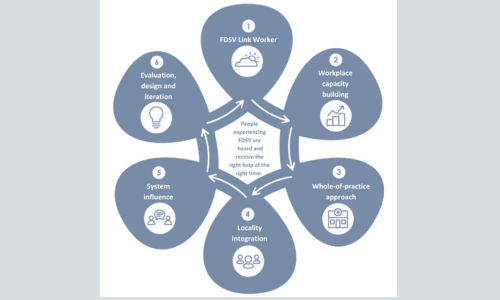
Recognise, Respond and Refer model
Recognise, Respond and Refer model